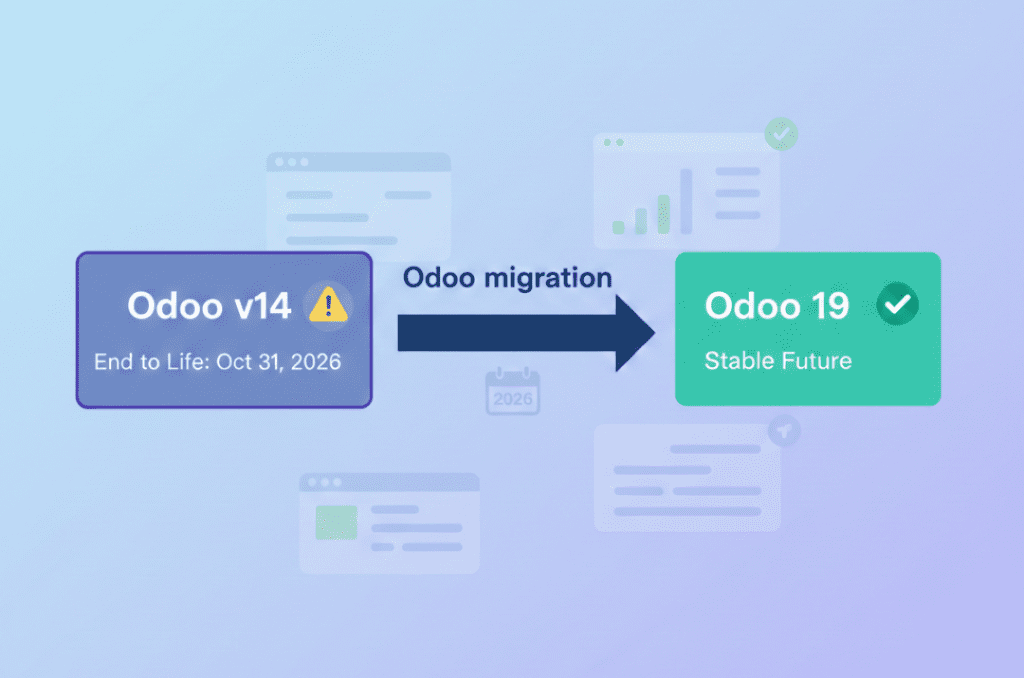


In the rapidly evolving business landscape, the efficiency and adaptability of your enterprise resource planning (ERP) system can be a game-changer. Odoo Migration Solutions provides a roadmap for businesses aiming to leverage the full potential of Odoo ERP. Explore the intricacies of Odoo migration, highlight how to avoid Common Pitfalls in Odoo Migration that can hinder your progress, and outline strategies to ensure a seamless transition. By doing so, you can maximize your investment in Odoo, ensuring that your business not only keeps aligning with technological advancements but also thrives in an increasingly competitive market.
Understanding the Basics of Migration to Odoo ERP
Odoo, a comprehensive open-source enterprise resource planning (ERP) software, offers a suite of business applications covering everything from sales and CRM to inventory and accounting. The migration to Odoo typically involves transferring data, processes, and operational workflows from an existing system to the Odoo platform. This process is critical for businesses looking to leverage Odoo’s integrated and modular approach to streamline their operations.
Key Components of Migration to Odoo ERP
- Data Migration: This involves moving data from the current system to Odoo. It’s not just about transferring data but also about ensuring its integrity and compatibility with the new system.
- Process Mapping: Understanding and mapping current business processes to Odoo’s modules is crucial. This step ensures that the new system aligns with your business’s operational needs.
- Customization and Integration: Odoo’s flexibility allows for customization to meet specific business requirements. Integration Odoo with third-party applications or other systems might also be necessary.
- Testing and Validation: Before going live, it is necessary to test the new system thoroughly to ensure all components work as intended and the data is accurate and complete.
Why Migration to Odoo ERP Matters
The decision to Migrate to Odoo ERP is driven by the need for a more efficient, scalable, and integrated business management solution. The benefits of migrating to Odoo ERP include:
- Improved Efficiency: Odoo automates and streamlines business processes, minimizing manual effort and the potential for errors.
- Scalability: As your business grows, Odoo’s modular structure allows you to add new modules or expand existing ones, making it a scalable solution.
- Better Data Management: With a centralized system, data management becomes more streamlined, providing accurate and real-time insights for decision-making.
- Cost-Effectiveness: Being open-source, Odoo can be a more cost-effective solution compared to other proprietary ERPs, especially in terms of customization and long-term scalability.
Have a look at the interesting stats
ERP implementation led to business process enhancement for 95% of businesses. A study says that of companies implementing ERP, 85% had a projected timeline for ROI. In this, 82% achieved ROI in their expected time.
After a proper ERP implementation, 49% of companies said they improved all business processes. Only 5% of businesses said they didn’t see any improvement or enhancement.
Companies that had very thriving ERP implementations noted internal organizational elements like support from management, good change management programs, and due diligence as primary reasons for success.
How Odoo Migration Works
Migration to Odoo ERP involves several critical steps:
- Preparation and Planning: This initial phase involves defining the scope, objectives, and timeline of the migration. It includes identifying the data to be migrated, understanding the existing processes, and setting clear goals for the migration.
- Data Preparation and Cleansing: Before migration, data needs to be cleaned and prepared. This step is crucial to ensure that only relevant, accurate, and clean data is transferred to the new system.
- Odoo Configuration: Based on the business requirements, Odoo modules need to be configured. This step involves setting up the modules to match the business’s operational workflows.
- Data Migration and Testing: The prepared data is migrated to the Odoo system. Rigorous testing is conducted to ensure data integrity and that all functionalities are working as expected.
- Training and Go-Live: Employees are trained on the new system to ensure a smooth transition. After thorough testing and training, the system is made live.
Each of these steps needs careful planning and execution. The success of an Odoo migration largely depends on how well these stages are managed.
Challenges
Implementing an ERP system is sometimes a bit challenging. Have a look at some of the statistical data.
- Implementation can take 30% longer time than anticipated.
- 51% of the companies experience operational disruption when they go live.
- The two most cited challenges during implementation are inadequate testing and not enough process reengineering.
- Data that is collected over the years on ERP implementations found that 50% fail the first time around.
Common Pitfalls in Odoo Migration
Migration to Odoo ERP is a complex process, and several challenges can arise if not carefully managed. Awareness of these pitfalls is crucial for a smooth transition:
- Inadequate Data Preparation: One of the biggest challenges is the transfer of data. Issues like data loss, corruption, or incompatibility can arise if the data is not properly cleansed and prepared for migration.
- Underestimating Customization Needs: When it comes to Odoo Migration solutions, Odoo offers extensive customization options, but businesses often underestimate the time and resources needed to tailor the system to their specific needs.
- Poor Planning and Resource Allocation: Insufficient planning can lead to extended downtime and budget overruns. It’s essential to have a detailed migration plan and allocate adequate resources.
- Neglecting User Training and Change Management: The success of the new system depends on how well the staff adapts to it. Adequate training and change management are crucial for ensuring user adoption and minimizing resistance.
- Lack of Proper Testing: Skipping thorough testing phases can lead to critical issues post-migration. It’s vital to test every aspect of the new system before going live.
Best Practices for Migrating to Odoo
To mitigate risks and make a successful Migration to Odoo ERP, follow these best practices:
- Comprehensive Project Planning: Start with a clear and detailed migration plan, outlining each step, timeline, and resource allocation.
- Stakeholder Engagement: Involve key stakeholders in the planning process to make sure their needs and concerns are addressed.
- Data Management Strategy: Implement a robust strategy for data cleansing, mapping, and migration. Ensure data integrity throughout the process.
- Customization and Integration: Work closely with Odoo experts or partners to customize and integrate the system effectively, aligning it with your business processes.
- Extensive Testing: Conduct extensive testing in a controlled environment to identify and fix issues before going live.
- Effective Training and Support: Provide comprehensive training to employers and establish a support system to address any post-migration issues.
Optimizing Business Operations with Odoo
Once the migration is successfully completed, businesses can leverage Odoo to optimize their operations:
- Streamlined Processes: Odoo’s integrated approach allows for seamless inter-departmental workflows, reducing process times and improving efficiency.
- Real-Time Data and Analytics: With centralized data management, businesses access real-time analytics and insights, aiding in informed decision-making.
- Enhanced Collaboration: Odoo’s communication tools and shared databases enhance collaboration across departments.
- Scalability and Flexibility: As the business grows, Odoo’s modular structure allows for easy scalability and adaptation to changing business needs.
- Cost Reduction: Businesses can significantly cut operational costs by automating processes and cutting reliance on manual tasks.
Conclusion
As we conclude, it’s clear that migrating to Odoo ERP is a significant step towards optimizing business operations. The journey, however, is fraught with challenges that, if not navigated carefully, can diminish the return on your investment. This article explaining Odoo Migration solutions has walked you through the essentials of a successful Odoo migration, emphasizing the importance of meticulous planning, understanding common pitfalls in Odoo migration, and adhering to best practices. By doing so, you can ensure a smooth transition to Odoo, thereby maximizing your investment. Remember, the target is not just to implement a new system but to transform your business processes for greater efficiency, scalability, and profitability. With the right approach, Odoo migration can be a catalyst for business transformation, aligning perfectly with the promise encapsulated in our title.
FAQs
1. How long does an Odoo Migration typically take?
The duration of an Odoo migration varies depending on the complexity of the business processes, the amount of data to be migrated, and the level of customization required. It can be varied from a few weeks to several months.
2. How does Odoo Migration improve business operations?
Post-migration, businesses can experience improved efficiency, better data management, enhanced collaboration, and reduced operational costs due to streamlined processes and automation capabilities offered by Odoo.
3. Why should a business consider migrating to Odoo?
Businesses should consider migrating to Odoo for its scalability, cost-effectiveness, and comprehensive suite of integrated business applications. Odoo offers a modular approach, allowing businesses to choose and customize the modules they need, such as CRM, sales, inventory, accounting, and more.
4. Can Odoo be integrated with other systems?
Yes, one of Odoo’s strengths is its ability to integrate with other systems, including e-commerce platforms, payment gateways, and external databases, enhancing its functionality and flexibility.
- Introduction
- Section 1: Understanding the Basics
- Section 2: Why It Matters
- Section 3: How It Works
- Section 4: Step-by-step guide for Payment processing in Odoo:
- Section 5: Common Questions and Concerns
- Section 6: Features of Payment Processing in Odoo:
- Section 7: Success Story:
- Conclusion
- References:
- FAQs